Choosing the Right Plants for Beginner Hydroponics
Starting with the right plants can make all the difference for a successful first hydroponic venture. Focus on those that are forgiving, fast-growing, and don't require extensive space or complex nutrient schedules. For example, consider a reliable hydroponic nutrient solution designed for beginners. Check Price →
Best Plants for Hydroponic Growing
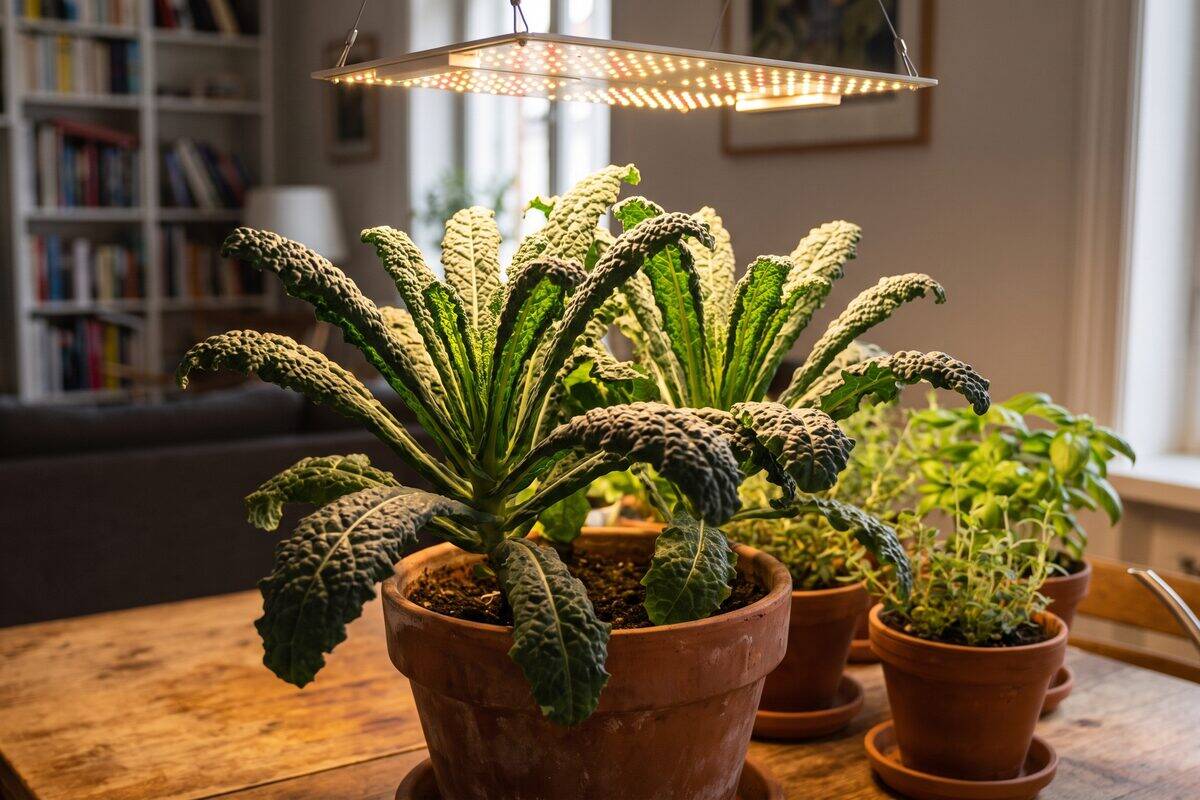
- Leafy Greens: Lettuce (especially varieties like romaine, butterhead, and loose-leaf), spinach, kale, and Swiss chard are hydroponic superstars. They grow quickly, are relatively compact, and thrive in both Kratky and DWC systems. You can get started with a seed starting kit with rockwool cubes for easy germination.
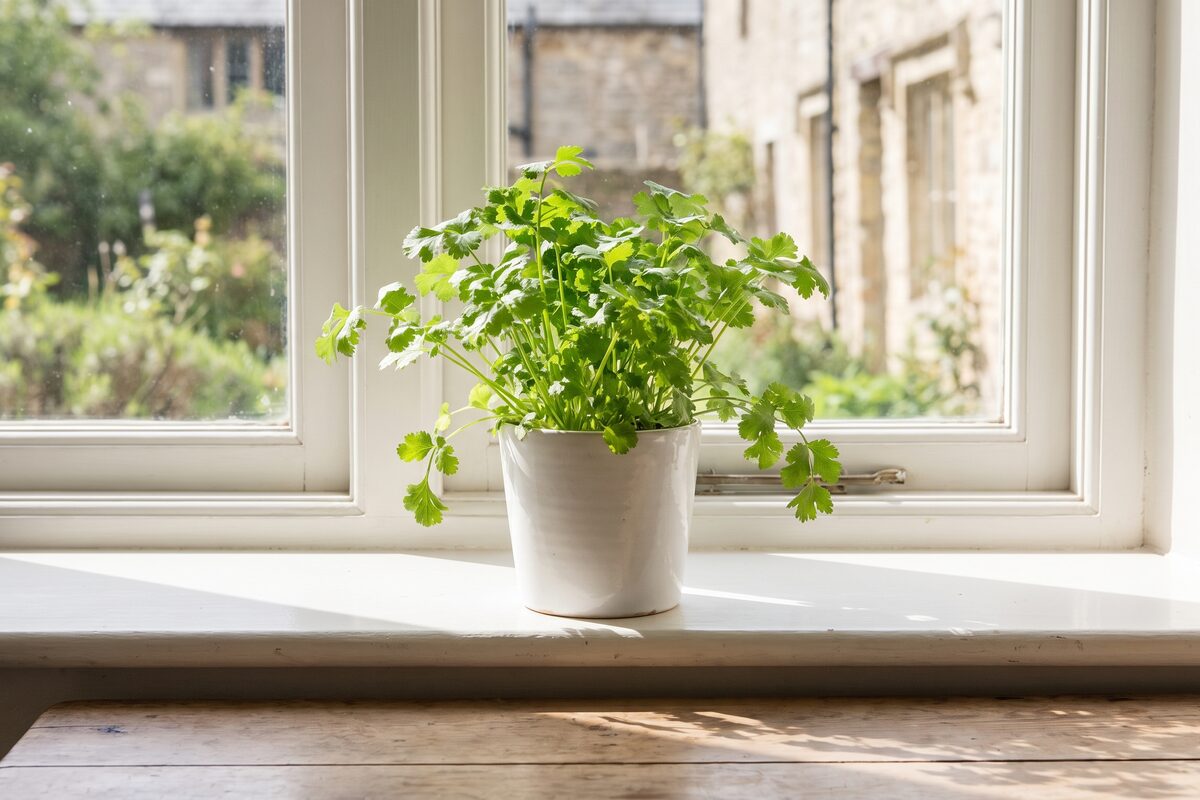
- Herbs: Basil, mint, cilantro, parsley, and chives are excellent choices. They propagate easily from cuttings, grow fast, and are endlessly useful in the kitchen. Basil, in particular, seems designed for hydroponics — it roots in 7-10 days and provides harvestable leaves in 4-6 weeks.
- Fruiting Plants: Tomatoes (cherry and determinate varieties work best in small systems), peppers (especially hot peppers), and strawberries can thrive hydroponically, though they require a bit more attention to nutrient balance and light.
- Root Vegetables (Select Varieties): Radishes and small turnips can work in deeper systems, though traditional carrots and beets struggle in shallow hydro setups.
How to Set Up a Simple Kratky Hydroponics System
The Kratky method is the easiest introduction to hydroponics because it requires no electricity, no pumps, and minimal maintenance. It's passive — meaning plants sit directly in a nutrient-rich solution that supports their growth passively. For your containers, ensure you have opaque ones to prevent algae growth.
What You'll Need
- A dark, opaque container (bucket, plastic tub, or reservoir) — dark surfaces prevent algae growth
- Net pots and a growing medium (hydroponic clay pellets, rockwool, or coconut coir)
- A hydroponic nutrient solution (all-in-one formulas work best for beginners)
- pH testing kit and pH adjustment solution (optional but recommended)
- An air pump with air stone (optional but highly recommended for better results)
Step-by-Step Setup
- Prepare the container: Fill your dark container with water (typically 5-10 gallons depending on your setup and plant count).
- Add nutrients: Follow the instructions on your hydroponic nutrient solution bottle. Start conservatively — you can always add more, but you can't easily remove excess. Consider a balanced nutrient kit for optimal growth.
- Check pH: Ideal pH for most plants is 5.5–6.5. Use your pH kit to test, then adjust if needed with pH up or pH down solutions. A simple pH testing kit is essential.
- Prepare net pots: Fill with growing medium and gently insert seedlings or rooted cuttings so the roots hang into the nutrient solution while the plant is supported above.
- Monitor water level: As plants grow, they'll consume water and nutrients. Top off with fresh water as needed (every 1-2 weeks depending on growth).
Popular Beginner-Friendly Hydroponic Systems
AeroGarden Systems
The AeroGarden Harvest Elite is essentially a plug-and-play hydroponic system designed for beginners. It includes integrated LED grow lights, an automatic watering system, and nutrient pods. Simply add water, insert a seed pod, and the system handles everything. You'll have fresh basil, lettuce, or other herbs ready to harvest in 3-4 weeks. It's perfect if you want results without having to understand the mechanics of hydroponics.
Click and Grow Smart Garden
A minimalist alternative to AeroGarden, the Click and Grow Smart Garden 3 grows up to 3 plants at once. It features a built-in full-spectrum grow light, automatic watering, and a simple indicator telling you when to add water and nutrients. It's more compact than AeroGarden, making it ideal for apartments and small spaces. Like AeroGarden, you're limited to their proprietary plant pods, but the variety is growing.
Common Beginner Mistakes to Avoid
- Overcrowding: Plants need space for roots to spread and air circulation. A 5-gallon bucket is ideal for 4-6 small herb plants, not 12.
- Ignoring pH: Plants struggle to absorb nutrients outside their ideal pH range. Test weekly at first until you get a feel for stability. You can grab an affordable pH test kit online.
- Skipping the air stone: A small air pump keeps roots oxygenated. Even in Kratky systems, aeration improves growth rates dramatically. Consider adding a simple air pump and stone.
- Using tap water without treatment: Tap water varies wildly by region. Test it or let it sit for 24 hours to allow chlorine to evaporate before adding nutrients.
- Overdoing nutrients: More nutrient solution doesn't mean faster growth. Follow the package instructions exactly — excess nutrients burn plant roots.
Troubleshooting Common Problems
Yellowing Leaves
Usually indicates nitrogen deficiency or early root rot. Check water pH (should be 5.5–6.5), ensure roots aren't slimy or smelling foul, and verify you've added nutrients correctly. If the system is new, wait 1-2 weeks — initial yellowing often self-corrects as the plant adjusts to hydroponic growing.
Slow Growth
Most often caused by insufficient light or low water temperature. Hydroponics works best when nutrient solution stays between 65–75°F. In warm climates, place the system in a cool spot or wrap the reservoir with reflective material to slow temperature rise. Add more grow lights if plants aren't getting 12-16 hours daily.
Algae Growth
Algae thrives in light and nutrients. Use dark containers to block light from reaching the solution, cover exposed areas, and maintain proper water circulation with an air pump. If algae appears, do a partial water change (replace 25-50% of the solution) and clean the container.
Scaling Up: From Hobby to Productive Hydroponic Garden
Once you've mastered the basics with a single Kratky bucket or AeroGarden, you can expand:
- Deep Water Culture (DWC): Similar to Kratky but with an air pump. Roots sit in nutrient-rich water constantly aerated by an air stone. More expensive than Kratky but yields faster growth and supports more plants per system. A dedicated DWC system is a great next step.
- Nutrient Film Technique (NFT): A thin film of nutrient solution flows down a sloped channel where roots cling. Very efficient but requires careful setup and monitoring.
- Ebb and Flow: Trays flood and drain cyclically, exposing roots to air between cycles. Great for variety — you can grow different plants in different trays.
Why Hydroponics Beats Traditional Soil Gardening
- Faster growth: Plants grow 30-50% faster in hydroponics because nutrients are immediately available and roots don't have to work as hard to find them.
- No soil mess: Perfect for apartments and indoor spaces. No dirt tracking, no repotting, minimal cleanup.
- Year-round growing: Control light, temperature, and nutrients completely. Grow fresh herbs in January in Minnesota.
- Water efficiency: Hydroponics uses 90% less water than soil gardening because there's minimal evaporation and runoff — the solution is recycled.
- Predictable results: Remove variables (soil quality, pest pressure, inconsistent watering). Success is nearly guaranteed once you dial in pH and nutrients.
Final Thoughts
Hydroponics isn't mysterious or difficult — it's just a different way to feed plants. Start small with a Kratky system or an all-in-one like AeroGarden, learn the basics, and scale up once you're confident. Within weeks, you'll have fresh, pesticide-free herbs and greens year-round, and you'll wonder why you ever gardened any other way.