Windowsill gardening is the simplest, most accessible form of indoor gardening. You don't need a greenhouse, a grow tent, or even a backyard. You just need a window and a little bit of intention.
This guide covers everything a total beginner needs to know — from picking the right window to choosing your first plants to not killing them in the first week.
Step 1: Pick Your Window
Not all windows are created equal. Here's what matters:
- South-facing windows get the most light (6+ hours of direct sun). Best for herbs, tomatoes, and succulents.
- East-facing windows get gentle morning sun. Great for leafy greens and most houseplants.
- West-facing windows get intense afternoon sun. Good for sun-loving plants, but watch for overheating.
- North-facing windows get the least light. Stick to low-light plants like pothos, snake plants, or ferns.
Don't know which direction your windows face? Open a compass app on your phone and stand facing the window. Problem solved.
Step 2: Choose Beginner-Friendly Plants
Start with plants that are hard to kill:
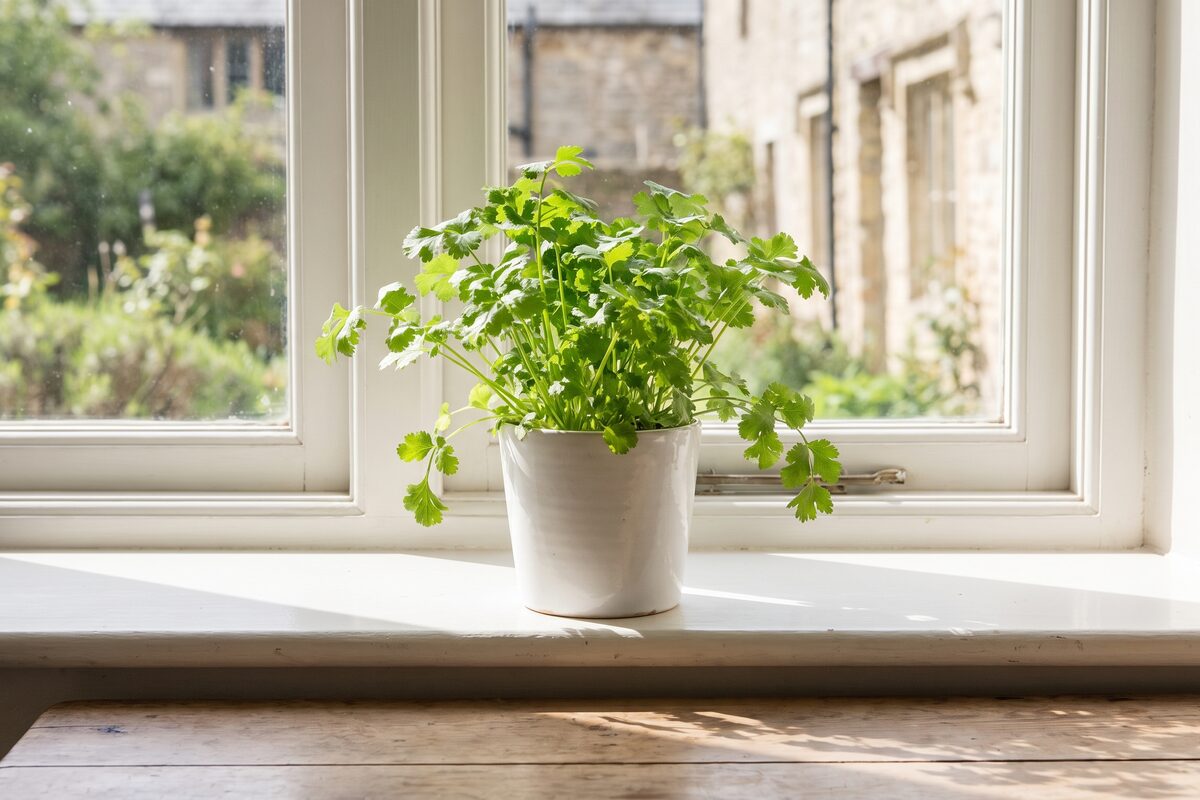
- Herbs: Basil, mint, chives, and parsley all do well on a sunny sill.
- Succulents: Jade plants, echeveria, and haworthia are nearly indestructible with enough light.
- Greens: Lettuce and spinach grow quickly in an east-facing window.
- Low-light champs: Pothos, snake plants, and ZZ plants thrive even in dim north-facing windows.
→ Find Parsley seeds on Amazon
→ Find Lettuce seeds on Amazon
→ Find Spinach seeds on Amazon
Step 3: Get the Right Containers
The #1 rule: drainage holes are non-negotiable. Without them, water pools at the bottom and your roots rot. If you find a pretty pot without holes, use it as a decorative outer pot and put a plain nursery pot with holes inside it.
For sills, look for long, narrow planters that maximize your space. Rectangular herb planters work perfectly.
→ Find Rectangular Herb Planters on Amazon
→ Check Lechuza Classico Color Planter on Amazon
Step 4: Use Good Potting Mix
Don't use dirt from your yard. It compacts, drains poorly, and can carry pests. Use a quality indoor potting mix — it's lighter, drains well, and is formulated for containers.
→ Check Espoma AP4 Organic Potting Mix on Amazon
For succulents, use a cactus/succulent mix or add perlite to regular potting soil for extra drainage.
Step 5: Water Correctly
Overwatering kills more indoor plants than anything else. The rule of thumb: stick your finger an inch into the soil. If it's dry, water. If it's still moist, wait. Most windowsill plants need watering every 3–7 days depending on the season and how much light they get.
Pro tip: A moisture meter takes the guesswork out entirely. Stick it in the soil and it tells you exactly when to water.
→ Check XLUX Soil Moisture Sensor Meter on Amazon
Step 6: Maximize Light & Be Patient
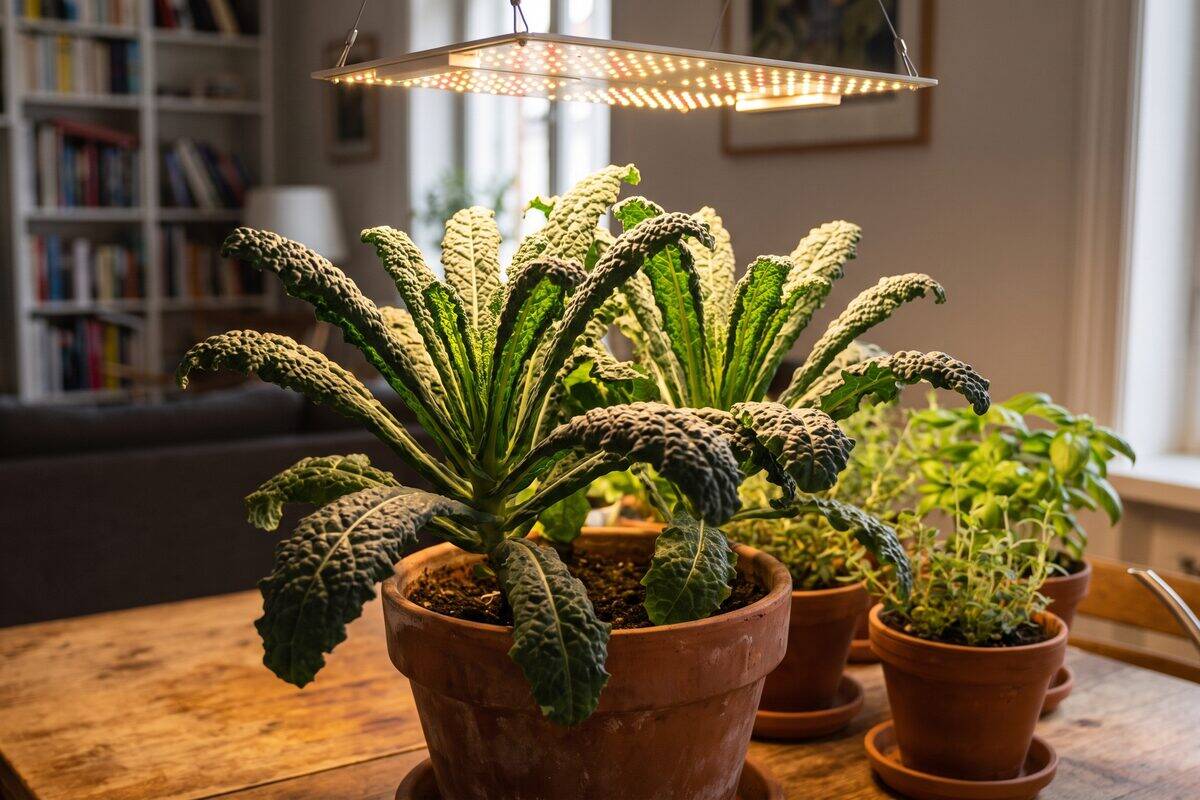
Indoor plants grow slower than outdoor ones. That's normal. But if your window doesn't get enough natural light, a small grow light can make a huge difference. Even a $20 clip-on light turns a struggling plant into a thriving one.
→ Check GooingTop LED Clip-On Grow Light on Amazon
Give them consistent light, water when the soil is dry, and resist the urge to fuss too much. In a few weeks, you'll start to see real growth.
Ready to Start? Your Beginner Kit
Here's everything you actually need to succeed on your first windowsill garden:
- Basil seeds (fast, delicious, perfect for beginners)
- Rectangular herb planter (maximizes sill space)
- Quality potting mix (not yard dirt)
- Moisture meter (so you never overwater)
- Backup grow light (for low-light windows)
Grab these five things and you'll have fresh homegrown basil in 3-4 weeks. That first taste of something you grew yourself? That's the moment you become a plant person.
Common Beginner Mistakes (And How to Fix Them)
Even with the best setup, beginners often stumble on a few predictable problems. Here's how to avoid them:
- Overwatering: The number one killer. Your soil should dry out between waterings. A moisture meter eliminates the guesswork.
- Wrong pot size: Too big and the soil stays wet. Too small and the plant roots out in weeks. Aim for a pot just slightly larger than the root ball — 4-6 inches for most seedlings.
- Not enough light: If your plant is pale, leggy, or leaning toward the window, it's light-starved. Move it closer to the window or add a grow light.
- Forgetting humidity: Herbs and tropical plants like consistent humidity. If leaves are crispy or brown-tipped, the air is too dry. Mist your plants or use a pebble tray with water.
- Never feeding: After 2-3 months, fresh potting soil runs out of nutrients. Your plants slow down or stop growing. Start a light feeding schedule in spring.
→ Check XLUX Soil Moisture Sensor Meter on Amazon
→ Check GooingTop LED Clip-On Grow Light on Amazon
→ Check LEVOIT 3L Humidifier on Amazon