How to Start an Indoor Herb Garden on a Windowsill (Beginner's Guide)
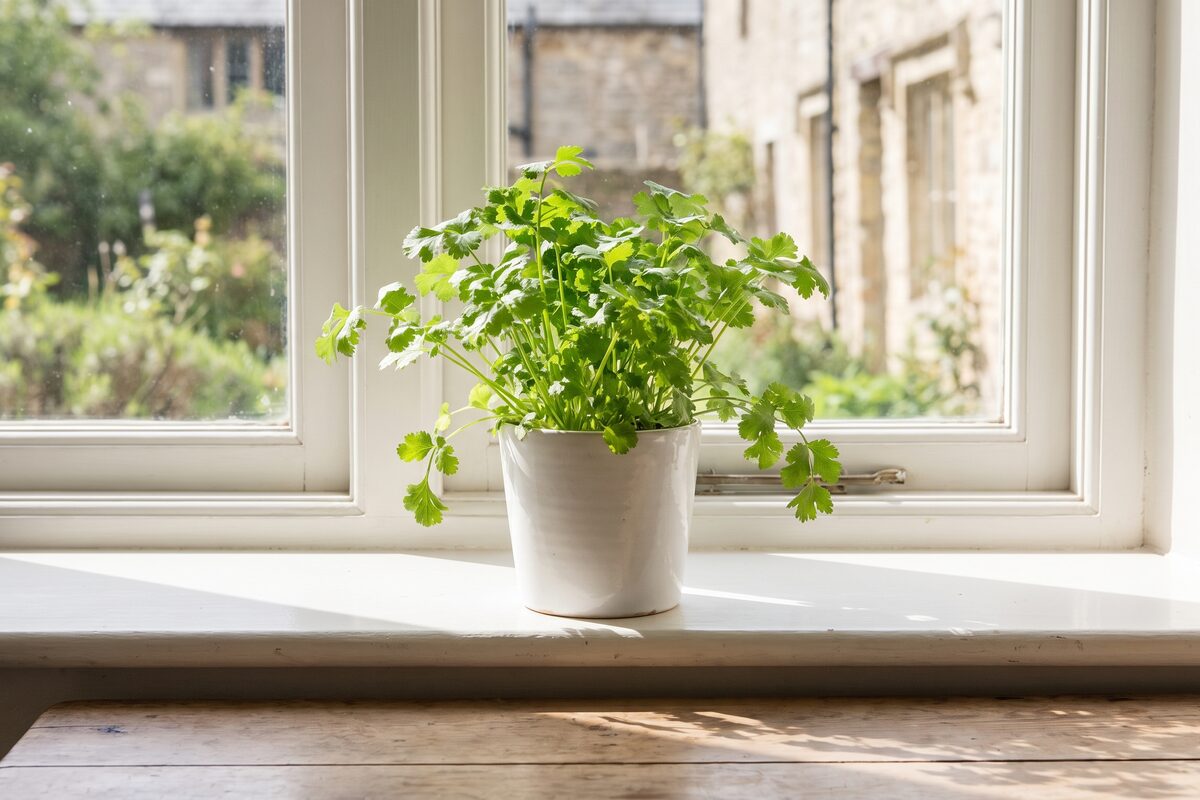
Learning how to grow an herb garden on a windowsill is one of the most rewarding things you can do as a beginner gardener. You don't need a backyard, a greenhouse, or any prior experience — just a south- or west-facing window, some small containers, a bag of potting mix, and a handful of seeds. Within a few weeks, you'll be snipping fresh basil for pasta, tearing mint leaves for tea, and clipping chives over scrambled eggs. This guide walks you through everything: which herbs to start with, what containers work best, how much light you actually need, when to water, and how to harvest without killing your plants.
💚 Exclusive Discount — Click & Grow
Use code WINDOWHARVEST for 10% off all Click & Grow Smart Gardens.
The Smart Garden 3 is our top pick for windowsill herb growing — it handles watering automatically so you don't have to guess. The discount applies through our affiliate link or enter the code at checkout.
What You'll Need to Get Started
Before you plant a single seed, gather these supplies:
- Small pots (4–6 inch diameter) with drainage holes, or a windowsill planter
- Quality potting mix — not garden soil, which compacts indoors
- Herb seeds or starter seedlings
- A south- or west-facing window (at least 6 hours of direct light)
- A small watering can or spray bottle
- Saucers to catch drainage under pots
That's genuinely it for a basic setup. You can spend more on self-watering pots or a smart garden system (more on those below), but you don't need to. A $10 bag of potting mix, some seed packets, and a few inexpensive pots are enough to get your first harvest.
The Best Herbs to Grow on a Windowsill
Not every herb thrives on a windowsill. Some need more light than a window can realistically deliver, and some grow too large for small containers. Start with these five — they're forgiving, fast-growing, and useful in the kitchen.
Basil is the quintessential windowsill herb. It germinates in 5–10 days and is ready to harvest in 3–4 weeks from seedling. It needs 6–8 hours of direct sunlight per day, making a south-facing window ideal. Pinch the growing tips regularly to keep plants bushy and delay flowering. Once basil bolts (flowers), the leaves turn bitter — so keep harvesting.
Mint is almost impossible to kill indoors. It tolerates partial shade (4–6 hours of light), grows aggressively, and can be harvested continually. Keep it in its own container — mint spreads by runners and will crowd out neighboring herbs if given the chance. Peppermint and spearmint both do well on windowsills.
Chives are among the easiest windowsill herbs. They grow from seed in 10–15 days, tolerate moderate light (4–6 hours), and can be clipped repeatedly all year. Snip leaves from the outside of the clump, leaving the center to regrow.
Parsley is slower than basil — it can take 14–28 days to germinate — but once established it's a steady producer. It needs 6+ hours of light. Flat-leaf (Italian) parsley tends to be more flavorful than curly parsley, though both grow well indoors.
Thyme is a compact Mediterranean herb that actually prefers slightly dry conditions — perfect for beginner growers who tend to overwater. It needs 6+ hours of direct sun. Lemon thyme is a particularly good windowsill variety.
The Cole & Mason Herb Keeper is a handy tool once you're harvesting regularly — it keeps freshly cut herbs in water on your countertop, extending their freshness for up to two weeks. It's not a growing container, but it completes the windowsill herb workflow from plant to plate.
→ Check Cole & Mason Herb Keeper on Amazon
For a deeper look at which varieties perform best in windowsill conditions, see our full guide: Best Herbs to Grow on a Windowsill.
Step 1 — Choose Your Containers
Container choice matters more than most beginners expect. The two main requirements are drainage holes (always — herbs rot in standing water) and a diameter that fits your windowsill without tipping. Individual 4–6 inch pots work well for one herb each, while longer rectangular planters let you grow several herbs side by side.
The SiliFine Rectangular Planter is an excellent windowsill option. It's lightweight, has breathable walls that help prevent overwatering, and the rectangular shape fits neatly along most windowsills. It comes in various sizes to fit your space.
→ Check SiliFine Rectangular Planter on Amazon
If you want self-watering pots — which remove the guesswork from watering frequency — the Gardenix Self-Watering Pots are a reliable choice. They have a built-in water reservoir at the base that wicks moisture up to the roots, reducing both overwatering and underwatering. Great for basil and parsley, which like consistent moisture.
→ Check Gardenix Self-Watering Pots on Amazon
For a more premium look, Lechuza Classico planters are stylish self-watering pots made from high-quality plastic that looks like ceramic. They have integrated water reservoirs and work beautifully on windowsills. The Classico 28 is a good size for 2–3 herb plants side by side.
→ Check Lechuza Classico 28 on Amazon
Step 2 — Start with the Right Seeds
Certified organic seeds germinate reliably and are free from synthetic treatments — a good choice when you're growing plants you're going to eat. For a windowsill starter herb garden, basil and mint are the two best herbs to begin with.
Basil seeds: Sow shallowly — about ¼ inch deep — and keep the soil consistently moist until germination (5–10 days at 65–85°F). Don't let the surface dry out before seedlings emerge.
Mint seeds: Mint seeds are tiny — press them gently onto the surface of moist potting mix and don't cover them. They need light to germinate. Expect germination in 10–15 days at 65–75°F.
Step 3 — Get Your Light Right
Light is the single biggest limiting factor for a windowsill herb garden. Most culinary herbs need 6–8 hours of direct sunlight per day. A south-facing window is ideal in the northern hemisphere — it gets the most sun throughout the day. East- and west-facing windows typically provide 4–6 hours, which works for mint, chives, and parsley but may not be enough for basil and thyme.
If your window doesn't deliver enough light — common in north-facing apartments, upper floors with overhangs, or during winter months — a small clip-on grow light can fill the gap. The GooingTop LED Clip-On Grow Light is affordable, easy to position, and provides full-spectrum light that supplements natural sunlight effectively.
→ Check GooingTop LED Clip-On Grow Light on Amazon
For more options, see our full guide: Best Grow Lights for Indoor Herbs.
The Hands-Off Alternative: Click & Grow Smart Garden 3
If you want to skip the guesswork entirely, the Click & Grow Smart Garden 3 is the easiest way to grow herbs on a windowsill. It holds three plant pods, has a built-in water reservoir with a visible level indicator, and uses a full-spectrum LED grow light — so light and watering are handled automatically. You just refill the reservoir every couple of weeks.
It's particularly good for beginners because there's nothing to calibrate or monitor. Click & Grow's pre-seeded pods (basil, mint, thyme, and more) eliminate the germination uncertainty that trips up new growers. Plants typically germinate within 1–2 weeks and are harvest-ready in 3–5 weeks depending on the herb.
The Smart Garden 3 is compact — about 10 inches wide — so it fits on most kitchen windowsills without taking over. If you want to grow more herbs at once, the Smart Garden 9 Pro scales up to nine pods.
→ Check Click & Grow Smart Garden 3 (use code WINDOWHARVEST for 10% off)
For a detailed breakdown, read our Click & Grow Smart Gardens Review.
Step 4 — Watering and Soil
Overwatering kills more windowsill herbs than anything else. Most herbs — basil, thyme, rosemary, oregano — prefer to dry out slightly between waterings. The rule of thumb: stick your finger an inch into the soil. If it feels dry at that depth, water thoroughly until water drains from the bottom. If it still feels moist, wait another day.
Mint and parsley are exceptions — they prefer consistently moist (not soggy) soil. Self-watering pots, like the Gardenix or Lechuza options mentioned above, are ideal for those two.
Use a standard indoor potting mix — not garden soil, which compacts in pots and doesn't drain properly. Many indoor potting mixes include perlite for drainage, which is ideal for herbs. Don't add fertilizer at planting time; most potting mixes include enough nutrients for the first 4–6 weeks. After that, a diluted balanced fertilizer every 2–4 weeks keeps herbs producing through the season.
Step 5 — Temperature and Airflow
Most culinary herbs prefer temperatures between 60°F and 75°F (15–24°C), which is within the typical range of a heated home. Avoid placing pots directly against a cold window pane in winter — the air between the glass and your plants can get much colder than the room temperature, which stresses basil and other warm-season herbs. Move pots a few inches away from the glass on cold nights, or insulate with a sheet of bubble wrap.
Good airflow prevents fungal issues like powdery mildew, which can affect basil and mint in still, humid air. Crack a window occasionally or run a small fan nearby if your kitchen tends to be stuffy.
How to Harvest Without Stunting Growth
How you harvest has a massive impact on how long your herbs stay productive. The goal is always to encourage branching rather than stripping the plant bare.
- Basil: Pinch stems just above a leaf node, removing the top 2–3 inches. Never take more than a third of the plant at once. Pinch any flower buds immediately — once basil flowers, leaf production drops and flavor fades.
- Mint: Cut stems back by about a third. Mint regrows vigorously from the base.
- Chives: Snip leaves from the outside, about an inch above the soil. New growth comes from the center.
- Parsley: Cut outer stems at the base. The inner stems are the newest growth — leave them.
- Thyme: Snip soft, green stems. Avoid cutting back into woody growth, which is slow to regenerate.
Also see our detailed guides on How to Grow Basil Indoors and How to Grow Mint Indoors for herb-specific harvesting tips.
Troubleshooting Common Problems
Yellowing leaves: Usually overwatering or poor drainage. Let the soil dry out more between waterings and check that your pot's drainage hole isn't blocked. Can also indicate insufficient light — move to a brighter spot.
Leggy, stretched seedlings: Not enough light. The plant is reaching for the sun. Move to a brighter window or add a grow light. Compact, stocky growth is what you're aiming for.
Basil wilting despite moist soil: Root rot from overwatering. Pull the plant out, trim any black or mushy roots, and repot in fresh, dry potting mix. Let the soil dry thoroughly before watering again.
White powdery coating on leaves: Powdery mildew, a fungal issue common in still air. Improve airflow, reduce humidity, and remove affected leaves. It's more common on mint and basil in kitchens with poor ventilation.
Herbs growing slowly in winter: Normal. Reduced daylight hours slow plant growth significantly. Adding a small grow light (even running it just 4–6 hours a day to supplement natural light) makes a noticeable difference during winter months.
Final Thoughts
A windowsill herb garden is one of the most practical and satisfying beginner growing projects. You start with seeds, you wait a few weeks, and suddenly you have fresh herbs you actually use in the kitchen — a direct, tangible return on a very small investment of time and money. Start with three herbs: basil, mint, and chives. Get those right. Then add parsley, thyme, or whatever you cook with most. If you want a truly hands-off experience, the Click & Grow Smart Garden 3 eliminates the two biggest beginner stumbling blocks — inconsistent watering and insufficient light — and gets you to harvest faster than any manual windowsill setup.
The main thing that trips up beginners is overwatering. Check the soil before you water, not the calendar. Do that one thing consistently, and your herb garden will reward you for months.