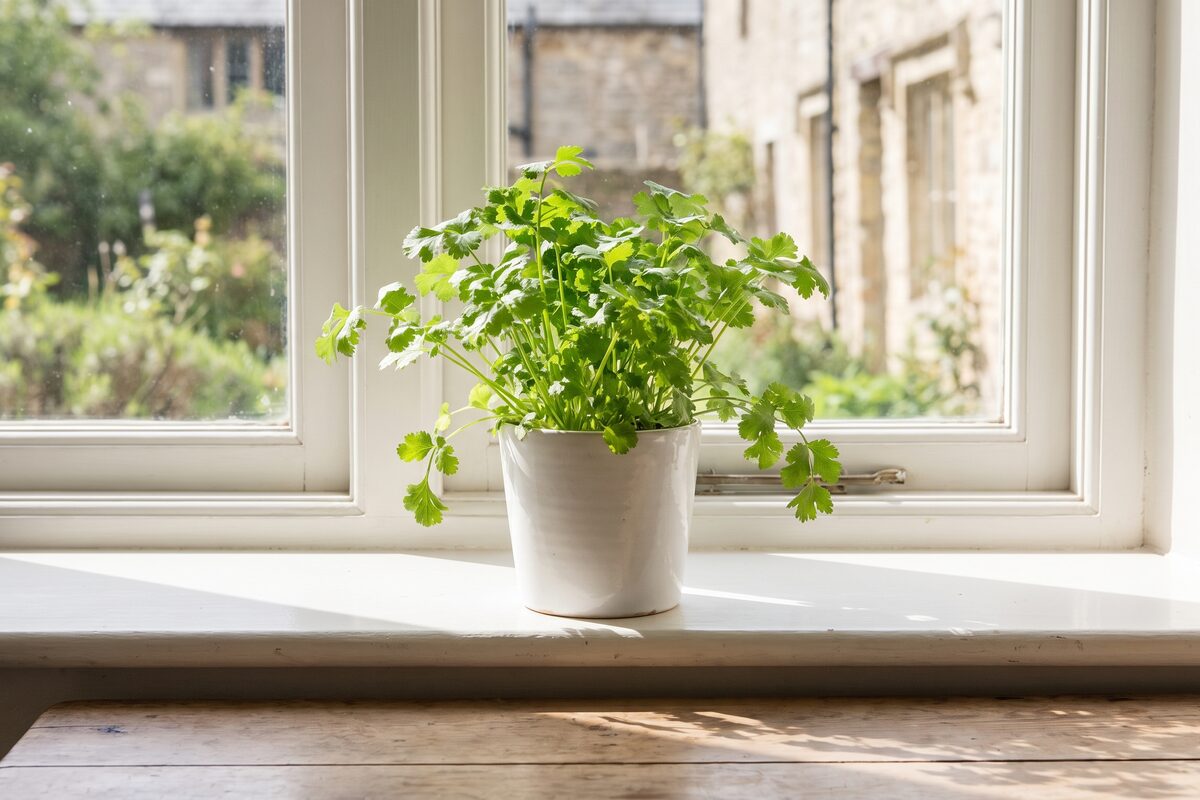
Growing herbs on a windowsill sounds simple enough. And for some herbs, it genuinely is. But others will stretch, wilt, bolt, or just quietly die no matter what you do — because they were never meant to grow in a pot on a ledge.
Here's the honest breakdown of which herbs thrive indoors and which ones you're better off buying at the grocery store.
The Best Windowsill Herbs
Basil
The king of indoor herbs — if you give it enough light. Basil wants a south-facing window with at least 6 hours of direct sun. Keep the soil consistently moist (not soggy) and pinch off flower buds as soon as they appear. Once basil flowers, the leaves turn bitter.
Pro tip: Grow it from seed rather than buying a supermarket plant. Those grocery store basil pots are overcrowded and bred to look good on the shelf, not to live long.
Mint
Mint is almost impossible to kill, which is both its strength and its reputation. It grows aggressively, handles partial shade, and actually does better in a pot than in the ground (where it would take over your entire garden). Any window with at least 4 hours of light will work. Keep it well-watered.
Chives
Incredibly low-maintenance. Chives tolerate lower light than most herbs, grow back quickly after cutting, and add a mild onion flavor to everything. They're also one of the few herbs that looks nice as a small houseplant with their upright, grass-like growth.
Parsley
Both flat-leaf and curly parsley grow well indoors. They're slower to start from seed (patience is required — germination takes 2-3 weeks) but once established, they're reliable producers. Give them a bright window and harvest from the outside stems first.
→ Find Parsley Seeds on Amazon
Thyme
Thyme loves sun and hates wet feet. A south-facing window and well-draining soil (add extra perlite) are the keys. Water only when the soil is completely dry. Thyme is a Mediterranean herb, so think dry and warm.
Oregano
Similar requirements to thyme — lots of light, well-draining soil, and infrequent watering. Oregano's flavor actually intensifies when the plant is slightly stressed, so don't baby it.
→ Find Oregano Seeds on Amazon
Herbs That Struggle Indoors
Cilantro
Cilantro bolts (goes to seed) at the slightest provocation — warm temperatures, long days, inconsistent watering. You can grow it indoors, but expect to resow every 3-4 weeks. It's more of a continuous project than a set-and-forget herb.
→ Find Cilantro Seeds on Amazon
Rosemary
Rosemary technically can grow indoors, but it's fussy about it. It needs intense light (more than most windows provide), excellent air circulation, and careful watering. If you attempt it, a grow light is almost mandatory. Most people find it easier to grow rosemary outdoors and bring cuttings inside.
→ Find a Live Rosemary Plant on Amazon
Dill
Dill grows tall (2-3 feet), has a deep taproot, and bolts quickly in warm indoor conditions. It's a poor fit for a windowsill. If you love dill, grow it in an outdoor container in the spring.
Setting Up Your Windowsill Herb Garden
- Light: South-facing window is ideal. East-facing works for shade-tolerant herbs like mint and chives.
- Containers: Use pots with drainage holes. 6-inch pots work for most herbs. Rectangular planters maximize sill space.
- Soil: Standard potting mix with a handful of perlite for drainage.
- Watering: Check soil moisture before watering. Mediterranean herbs (thyme, oregano, rosemary) like to dry out. Basil and mint prefer consistent moisture.
- Harvesting: Never take more than a third of the plant at once. Regular harvesting encourages bushier growth.
→ Check Lechuza Classico Color Planter on Amazon
The Bottom Line
Start with basil, mint, and chives. They're forgiving, productive, and you'll actually use them in the kitchen. Add thyme and parsley once you've built some confidence. And don't feel bad about buying cilantro at the store — even experienced gardeners do.