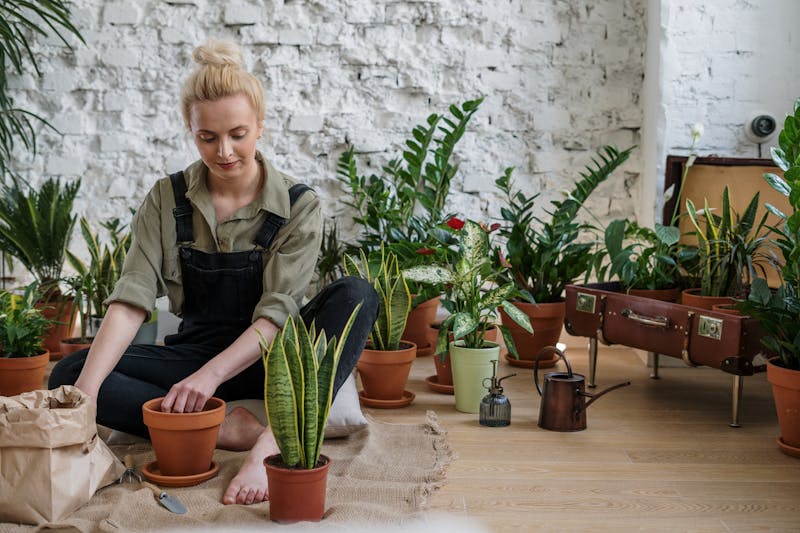
Your indoor herb garden used to thrive. Now your basil is yellowing, your parsley looks leggy, and you're not sure what went wrong. If this sounds familiar, you're not alone. Most indoor herb garden problems have simple fixes, but identifying the right one matters. In this guide, we'll walk through the 8 most common indoor herb garden problems and show you exactly how to solve them. By the end, your herbs will be healthy again.
💚 Exclusive Discount
Use code WINDOWHARVEST for 10% off all Click & Grow Smart Gardens.
The discount applies automatically through our affiliate links, or enter the code manually at checkout.
1. Overwatering & Root Rot
The #1 killer of indoor herbs is overwatering. When soil stays too wet, roots can't breathe and root rot sets in. You'll notice yellowing leaves, mushy stems, and a sour smell from the soil.
The fix is simple: let the soil dry between waterings. But how do you know when to water? Stick your finger 1 inch into the soil. If it feels wet, skip watering. If it feels dry, water thoroughly until it drains from the bottom.
A moisture meter removes the guesswork entirely. It tells you exactly when your soil is moist or dry, so you can water with confidence instead of fear.
→ Check XLUX Moisture Meter on Amazon
2. Not Enough Light
Indoor herbs need 12–16 hours of bright light daily. If your only light source is a window, your herbs are probably starving for light. You'll see weak growth, pale leaves, and plants stretching toward the window (which leads to Problem 6 below).
If your windowsill doesn't get 6+ hours of direct sun, you need a grow light. Grow lights let you control light independently of weather or season, and your herbs will repay you with vigorous growth.
The Barrina T5 is a plug-and-play option that fits most shelving. Simple setup, affordable, and reliably improves growth. For tighter spaces or individual pots, the GooingTop clip light mounts easily above small planters.
→ Check Barrina T5 Grow Lights on Amazon
→ Check GooingTop Clip Grow Light on Amazon
3. Poor Drainage
Even if you're watering correctly, poor drainage can trap moisture and cause root rot. Regular pots without drainage holes are the worst offender. Soil that stays soggy is a death sentence for herbs.
Always use pots with drainage holes. Self-watering pots are especially helpful because they maintain consistent moisture without you having to guess. The Gardenix self-watering design wicks water up as needed, so your herbs stay hydrated without getting waterlogged.
→ Check Gardenix Self-Watering Pots on Amazon
For a breathable, durable alternative, the SiliFine rectangular planter offers excellent drainage and works beautifully on countertops or shelves.
→ Check SiliFine Rectangular Planter on Amazon
4. Low Humidity
Indoor air can be dry, especially during winter or in arid climates. Herbs like basil, mint, and cilantro prefer humidity in the 40–60% range. When air is too dry, leaf edges brown and plants get stressed.
A simple fix is misting your herbs with a spray bottle once or twice a day. Group your herb pots together on a tray — plants naturally release moisture as they transpire, and grouping them creates a small humidity buffer. Moving plants away from heating vents also helps significantly.
5. Fungus Gnats & Pests
Fungus gnats are tiny flies that live in moist soil. They're annoying but fixable. You'll see small flies buzzing around your herbs or tiny maggots in the top layer of soil.
Start by reducing watering (this removes their breeding ground). Then use sticky traps to catch adults. The Kensizer dual-sided sticky traps catch gnats and other small pests without chemicals. Just place them near your herbs and replace when full.
→ Check Kensizer Sticky Traps on Amazon
For more on diagnosis and prevention, see our guide on how to get rid of fungus gnats.
6. Leggy & Stretched Plants
Leggy herbs have long, thin stems with sparse leaves. This happens when plants don't get enough light and reach desperately toward available light. They become weak and less flavorful.
The solution is more light. A good LED grow light like the VIPARSPECTRA provides the full spectrum your herbs need. It's dimmable, energy-efficient, and strong enough to transform weak, stretched plants into compact, bushy ones within weeks.
→ Check VIPARSPECTRA LED Grow Light on Amazon
7. Nutrient Deficiency
Over time, soil loses nutrients. You'll notice slowed growth, yellowing older leaves, or pale newer growth. This is especially common if you haven't fertilized in months.
Feed your herbs with a balanced organic fertilizer. Espoma Organic Indoor Plant Food is gentle, effective, and designed for indoor herbs. Use it every 2–4 weeks during the growing season, and your herbs will keep growing strong.
→ Check Espoma Organic Indoor Plant Food on Amazon
8. Want a Foolproof System? Use a Smart Garden Kit
If you've tried troubleshooting and still struggle, there's a simpler path: a plug-and-play herb garden system. The Click & Grow Smart Garden 3 eliminates all the guesswork. It has built-in lights, automated watering, nutrient cartridges, and you just insert seed pods and harvest.
It's not meant to replace a traditional garden—it's meant to be foolproof. Perfect for people who want fresh herbs without the learning curve.
→ Shop Click & Grow Smart Garden 3
Quick Diagnosis Table
Not sure what's wrong? Use this table to narrow it down:
| Symptom | Likely Cause | Fix |
|---|---|---|
| Yellow leaves, mushy stems | Overwatering / Root rot | Reduce watering, improve drainage |
| Pale, weak growth | Insufficient light | Add a grow light |
| Brown leaf edges | Low humidity | Mist or use a humidifier |
| Tiny flies around soil | Fungus gnats | Use sticky traps, dry out soil |
| Long, thin stems, sparse leaves | Light stress (leggy) | Increase light hours & intensity |
| Yellowing, slowed growth | Nutrient deficiency | Fertilize regularly |
Next Steps
Start by diagnosing your specific problem using the table above. Then apply the relevant fix. Most herbs bounce back within 1–2 weeks of improved care.
For more on growing herbs successfully, check out our guide on the best herbs to grow on a windowsill. Once you've fixed the current problem, you'll be ready to expand your indoor garden with confidence.