Self-watering pots promise to solve the most common plant killer: inconsistent watering. Fill a reservoir, and the pot delivers water to the roots as needed through a wicking mechanism. Sounds perfect. But do they actually work, and should you use them for all your plants?
How Self-Watering Pots Work
The design is simple. There's a pot on top where the plant sits in soil, and a reservoir below that holds water. A wick or porous barrier connects the two. As the soil dries out, it pulls water up from the reservoir through capillary action — the same principle that makes a paper towel soak up a spill.
You fill the reservoir through a side opening or tube, and a float or indicator tells you when it's running low.
The Pros
- Consistent moisture: The plant gets water at its own pace. No overwatering on Monday, drought by Friday.
- Less frequent attention: Depending on the plant and pot size, you might only refill the reservoir every 1-2 weeks.
- Great for travel: Going away for a week? A full reservoir can keep most plants happy until you're back.
- Fewer root rot issues from overwatering: The soil pulls water up as needed, rather than sitting in a pool of excess.
The Cons
- Not great for succulents or cacti: These plants need to dry out completely between waterings. Constant moisture from a reservoir is a death sentence.
- Mineral buildup: Over time, salts from fertilizer and tap water can accumulate in the soil since water is being wicked upward. Flush the pot with regular top-watering monthly to prevent this.
- Mold risk in low-light areas: Constant moisture plus low air circulation can invite mold on the soil surface.
- Higher upfront cost: A decent self-watering pot costs $15-30 versus $3-5 for a basic terracotta pot.
Best Edible Plants for Self-Watering Pots
If you're growing food indoors, self-watering pots are a game changer. Here's what thrives:
- Leafy herbs: Basil, mint, parsley, cilantro, chives, and dill all love consistent moisture. No more dried-out basil before you can use it.
- Microgreens: The consistent moisture helps microgreens germinate evenly and grow fast.
- Leafy greens: Baby lettuce, spinach, and kale work well in larger self-watering containers.
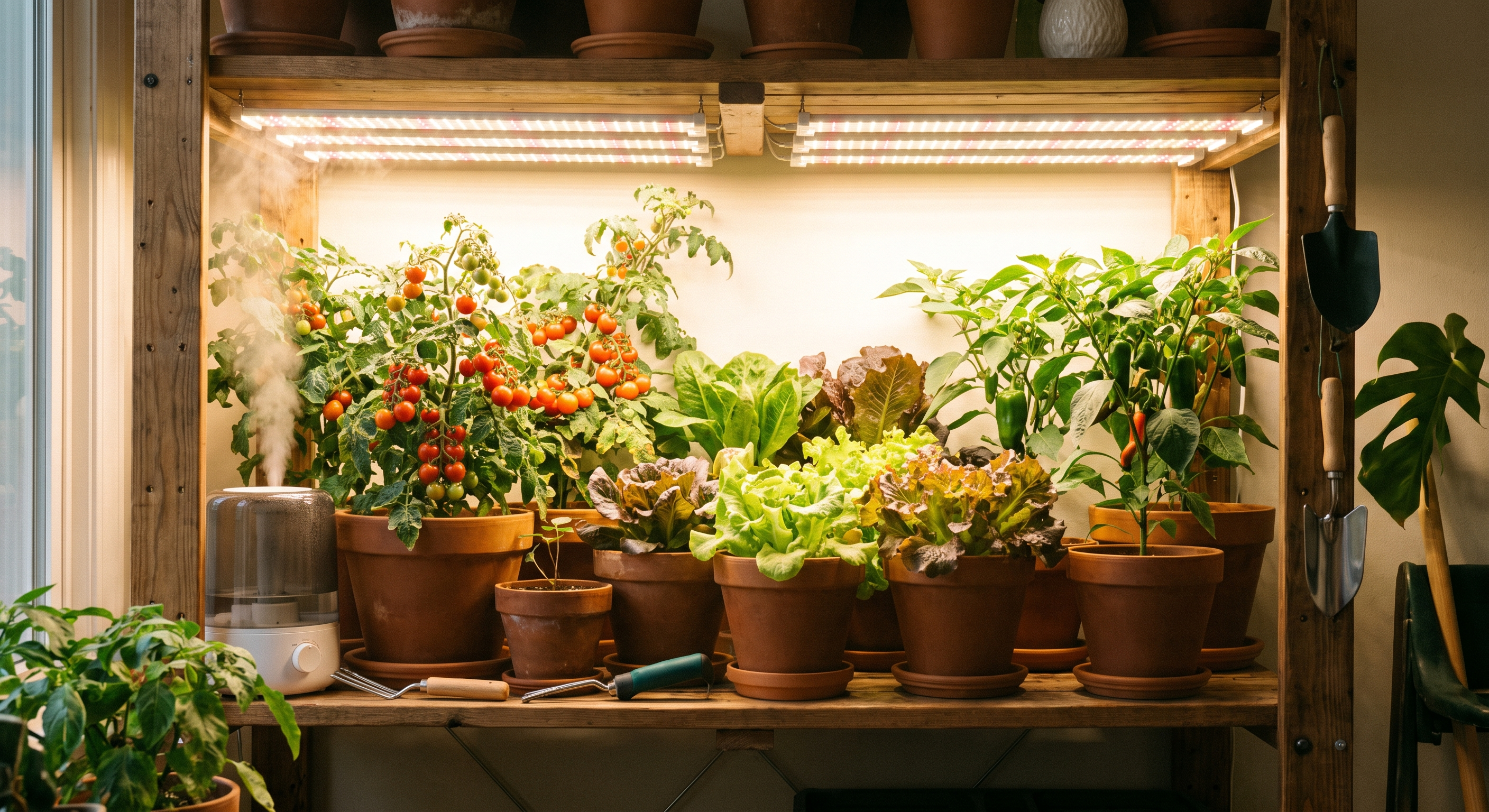
- Small peppers and tomatoes: Compact varieties like cherry tomatoes do surprisingly well in self-watering setups on a sunny windowsill.
Plants That Should Avoid Self-Watering Pots
- Succulents and cacti: These need to dry out completely. Constant moisture = root rot.
- Mediterranean herbs: Rosemary, thyme, and oregano prefer drier soil between waterings.
- Root vegetables: Carrots, radishes, and potatoes need loose, dry-ish soil to develop properly.
Our Top Picks for Edible Gardening
Best Overall: Lechuza Classico
Sleek European design with a reliable sub-irrigation system. The water level indicator is clear and accurate. Made from virgin plastic — safe for growing edible herbs and vegetables. They're not cheap, but they're well-engineered and look great in any kitchen.
→ Check Lechuza Classico Self-Watering Planter on Amazon
Best Budget: Gardenbasix Self-Watering Pots (6-Pack)
Simple, effective, and affordable. These plastic pots won't win design awards, but the wicking system works well for small herb gardens. Perfect for starting a windowsill herb collection without spending much.
→ Check Gardenix Decor Self-Watering Pots on Amazon
Best for Herbs: Cole and Mason Self-Watering Herb Keeper
Designed specifically for keeping herbs fresh and growing on the counter. The integrated reservoir keeps herbs like basil and cilantro alive far longer than a regular pot. Great for kitchen use.
→ Check Cole & Mason Self-Watering Herb Keeper on Amazon
The Bottom Line
Self-watering pots are genuinely useful for indoor food production — especially herbs and leafy greens. If you're growing basil, mint, parsley, or lettuce, they'll make your life easier and your harvests more consistent. Just avoid them for succulents, rosemary, and thyme.