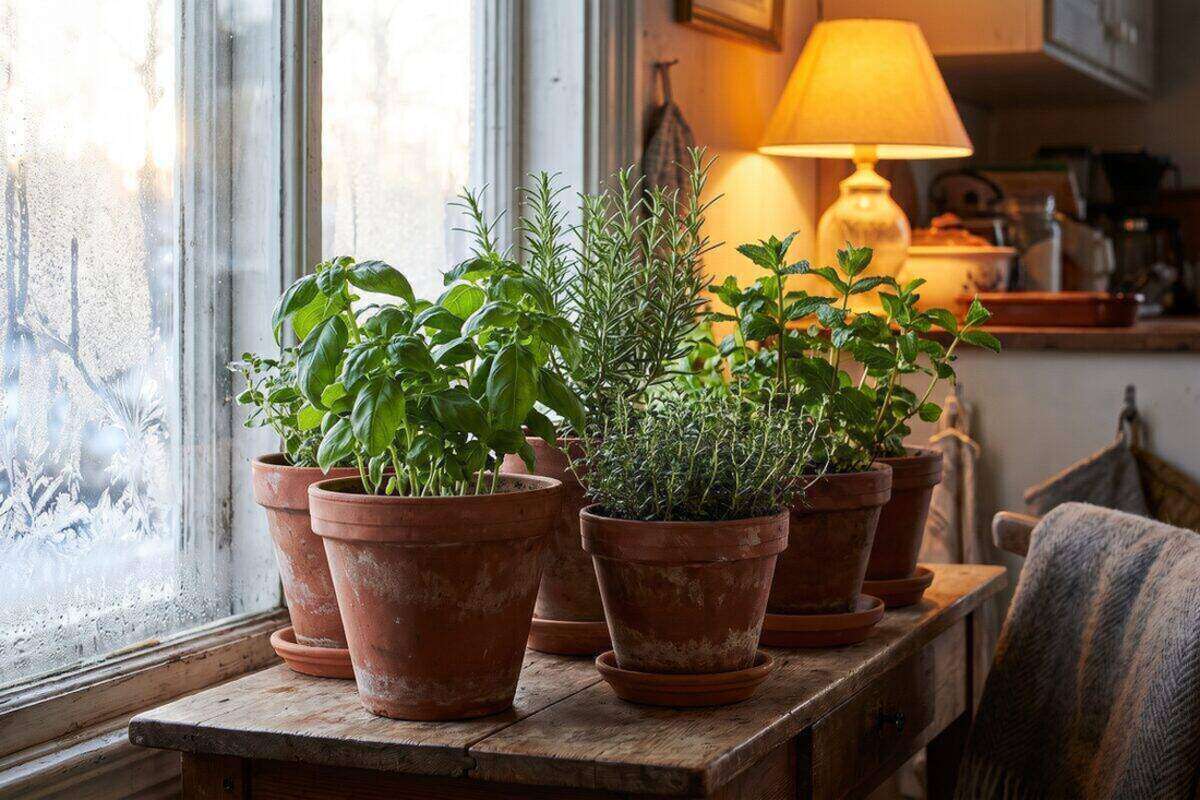
How to Overwinter Herbs Indoors: Keep Your Garden Growing Year-Round
Overwintering herbs indoors is one of the smartest moves a home gardener can make — and it's easier than most people think. When temperatures drop and the first frost threatens your outdoor herb garden, you don't have to watch months of careful tending go to waste. Most common culinary herbs can survive — and even thrive — through winter with a spot near a bright window, a little extra care, and the right setup. This guide walks you through exactly which herbs make the transition well, when and how to bring them in, and what they need to stay healthy until spring arrives. Whether you're trying to save a beloved rosemary bush, keep fresh basil going a few extra weeks, or build a year-round indoor herb setup, you'll find everything you need here.
Use code WINDOWHARVEST for 10% off all Click & Grow Smart Gardens.
The discount applies automatically through our affiliate links, or enter the code manually at checkout.
Which Herbs Overwinter Successfully Indoors?
Not all herbs handle the move indoors equally. Some are perennials that naturally go semi-dormant in winter and bounce back reliably. Others are tender annuals that need more coaxing — or simply won't make it to spring no matter what you do. Here's what to expect from the most common culinary herbs:
Rosemary is a Mediterranean perennial that handles indoor overwintering well, but it demands good airflow and bright light. It's one of the more drought-tolerant herbs, so erring on the side of underwatering is safer than keeping it soggy. Rosemary is susceptible to powdery mildew in stuffy indoor air — give it space and a fan if possible.
Mint is a hardy perennial that actually prefers a winter rest. You can bring mint in before frost or let it go dormant outdoors (it'll come back in spring regardless). Indoors in winter, it grows slowly but steadily and benefits from occasional trimming to stay compact. See our full guide to growing mint indoors.
Thyme is another perennial that overwinters reliably indoors. It tolerates lower light better than rosemary and doesn't need constant watering. Give it a sunny windowsill or a grow light on a timer and it'll provide a light harvest all winter.
Chives are perennial and extremely cold-hardy. They can be potted up and brought indoors in fall for a continuous harvest, or left outside to go dormant and dug up in late winter to force early growth.
Parsley is technically a biennial, so it spends its first year as a leafy herb before going to seed in year two. Bringing first-year parsley indoors before frost will keep it producing through winter — just give it good light and consistent moisture.
Basil is a tropical annual that doesn't tolerate cold at all — even temperatures below 50°F can damage it. You can bring basil indoors before frost to extend the season, but expect it to slow down significantly in lower light and eventually decline. Your best strategy with basil is to take cuttings and root new plants in late summer, then grow those under lights all winter. Full basil indoor growing guide here.
When to Bring Herbs Indoors
Timing matters. The goal is to move herbs inside before the first hard frost damages them — but not so early that you stress them with a sudden environmental change.
Watch your local frost forecast and plan to bring herbs in about 2–4 weeks before the first expected frost date. This gives you time to:
- Inspect for pests before they hitch a ride indoors
- Let herbs acclimatize gradually to lower light conditions
- Repot any herbs that are root-bound or need fresh soil
- Set up your indoor grow light station before daylight drops dramatically
In most of the US, this means September through October depending on your zone. Coastal and southern gardeners may have until November. If you're in USDA Zones 7–9, many herbs can overwinter in a sheltered outdoor spot or cold frame with minimal intervention.
How to Transition Outdoor Herbs Indoors
A smooth transition reduces stress and keeps herbs healthy. Rushing it is the most common mistake gardeners make.
Step 1: Pest inspection. Before anything comes inside, thoroughly check every plant for signs of insects — aphids, spider mites, fungus gnats, and whiteflies are the usual suspects. Rinse foliage with a strong stream of water, then let the plant dry completely before bringing it in. A solo quarantine period of a week or two in a sunny but isolated spot (like a garage window) is smart insurance.
Step 2: Repot if needed. If your herbs have been in the ground or in small outdoor containers, now is the time to move them into proper indoor pots with fresh potting mix. Choose a pot size that's 1–2 inches larger than the root ball — not much bigger, as excess soil holds moisture that can cause rot.
Step 3: Trim back. Cut leggy or overgrown herbs back by about one-third before bringing them in. This reduces the amount of foliage the plant needs to support during lower-light conditions and encourages compact, bushy regrowth.
Step 4: Gradual acclimatization. Instead of moving herbs directly from full outdoor sun to a dim indoor corner, give them a week or two in a bright outdoor spot with some afternoon shade, then a transitional spot near a window, then their final indoor location. This reduces transplant shock significantly.
Light Requirements in Winter
This is where most indoor herb overwintering attempts fail. Even a south-facing window in winter provides only a fraction of the light herbs received outdoors. Short days, low sun angles, and cloudy weather compound the problem. Most herbs need 6–10 hours of bright light per day; in winter, natural light rarely delivers that.
Supplemental grow lights close the gap. For most herb setups, a simple T5 fluorescent or full-spectrum LED strip positioned 4–6 inches above the foliage, running 14–16 hours per day on a timer, will keep herbs growing well all winter.
The Barrina T5 grow light strips are a popular, affordable choice for herb shelves and countertop setups. They're linkable, energy-efficient, and produce the full-spectrum light herbs need. Mount them close to the plants for best results.
→ Check Barrina T5 Grow Light Strips on Amazon
For a single pot or a small collection, the GooingTop clip-on grow lamp is a flexible option. Its gooseneck design lets you angle the light precisely, and the built-in timer handles on/off automatically.
→ Check GooingTop Clip Grow Lamp on Amazon
For a larger indoor herb garden or mixed edible growing space, the VIPARSPECTRA dimmable LED panel delivers serious output with a daisy-chain option to expand coverage as your setup grows.
→ Check VIPARSPECTRA LED Grow Light on Amazon
Read our full guide on growing herbs indoors with grow lights for more on spectrum, duration, and placement.
Temperature and Humidity
Most culinary herbs prefer indoor temperatures between 55–70°F (13–21°C) during winter. Keep them away from cold drafts near windows and doors, and equally away from heating vents, which blast dry hot air that stresses plants. A stable cool room is better than temperature extremes.
Humidity is often overlooked but critically important. Central heating drops indoor relative humidity well below what herbs need — often to 20–30% when herbs want 40–60%. Signs of low humidity include crispy leaf tips, wilting despite adequate water, and increased pest pressure (spider mites thrive in dry air).
A small humidifier near your herb station solves this cleanly. The LEVOIT compact humidifier is a popular choice: quiet, easy to fill, and equipped with auto shut-off for safety. Running it a few hours a day near your herbs can make a dramatic difference, especially for moisture-loving herbs like basil and parsley.
→ Check LEVOIT Humidifier on Amazon
Watering Adjustments for Winter
Herbs in winter need significantly less water than during the active growing season. Growth slows, evaporation decreases, and overwatering becomes the number one cause of root rot and plant death indoors. The general rule: water when the top inch of soil is dry, not on a fixed schedule.
For most herbs in 4–6 inch pots indoors in winter, this usually means watering every 7–14 days rather than every few days. Mediterranean herbs like rosemary and thyme lean toward the longer end; parsley and chives prefer consistently moist (not wet) soil. Basil is the exception — it still prefers even moisture, just less frequently than in summer.
Always water with room-temperature water. Cold tap water can shock roots, especially in winter when soil temperatures are already lower.
Container Choices for Indoor Herb Overwintering
The right container makes a real difference in how well herbs survive indoors. Avoid containers without drainage holes entirely — excess moisture has to go somewhere or it will drown roots. Terracotta pots breathe well and help prevent overwatering, but they dry out faster and may not suit every environment.
Self-watering containers are excellent for winter herbs because they provide consistent moisture from below without saturating the root zone. They're forgiving of irregular watering schedules, which is handy over the holidays.
The Gardenix self-watering planters are a practical and affordable option for a multi-herb indoor setup. The reservoir keeps herbs hydrated without the risk of top-down overwatering.
→ Check Gardenix Self-Watering Planters on Amazon
For a countertop herb row or windowsill display, the SiliFine rectangular fabric planter is a breathable, root-friendly option that keeps multiple herbs organized in one tidy strip.
→ Check SiliFine Rectangular Planter on Amazon
If you want something more stylish that works well in a living space, the Lechuza Classico self-watering planter is a premium choice. It's a substantial planter with a built-in water reservoir and a clean European design that looks at home on a countertop or shelf.
→ Check Lechuza Classico Planter on Amazon
Click & Grow: The No-Brainer Year-Round Option
If the idea of transitioning outdoor herbs, managing grow lights, and monitoring humidity sounds like a lot of work, there's a simpler path: start fresh with a Click & Grow Smart Garden.
Click & Grow systems are self-contained, soil-free indoor growing units with integrated full-spectrum LED lights and a water reservoir. You drop in pre-seeded plant pods, fill the reservoir, and the system handles the rest. No soil mess, no pest transfer, no acclimatization headaches. For anyone who wants fresh herbs reliably through winter without the complexity of bringing outdoor plants in, it's genuinely the easiest approach.
The Smart Garden 3 is perfect for a kitchen counter — it grows three plants simultaneously and takes up almost no space. Ideal for someone who wants basil, thyme, and parsley within arm's reach of the stove all winter.
→ Check Click & Grow Smart Garden 3
The Smart Garden 9 Pro steps it up significantly — nine plant slots, a larger light bar, and app connectivity for monitoring. If you want a serious year-round herb garden that covers multiple varieties, this is the system to get.
→ Check Click & Grow Smart Garden 9 Pro
Feeding Herbs During Winter
Herbs in their winter slow-down don't need much fertilizer, but a light feeding every 4–6 weeks supports healthy foliage without pushing the leggy growth that comes from overfeeding in low light. Skip high-nitrogen fertilizers, which encourage lots of leafy growth that weak winter light can't support.
A diluted organic fertilizer is the safest approach. Espoma Organic Indoor Plant Food is a gentle, liquid formula designed specifically for indoor edibles. It's mild enough to use regularly without burning roots and safe for herbs you'll be eating.
→ Check Espoma Organic Indoor Plant Food on Amazon
Troubleshooting Common Problems
Yellowing leaves: Usually a sign of overwatering, low light, or both. Cut back watering, move to a brighter spot, and trim yellow leaves off cleanly.
Leggy, stretched growth: Classic sign of insufficient light. Move closer to the window, add a grow light, or increase light hours. Herbs that stretch toward the light are struggling.
Wilting despite moist soil: This can indicate root rot from overwatering. Check the root ball — brown, mushy roots are the giveaway. Repot into fresh soil and a clean container, trim any rotted roots, and water only when truly dry going forward.
White powdery coating on leaves: Powdery mildew, most common on rosemary in low-airflow conditions. Improve air circulation, reduce humidity slightly around that plant, and remove affected leaves. A fan running on low nearby helps prevent recurrence.
Tiny flies around the soil: Fungus gnats, which thrive in moist potting mix. Let the soil dry out more between waterings, which interrupts their life cycle. Sticky yellow traps near the plants catch adults.
Herbs not growing at all: Some die-back and dormancy in winter is normal, especially for perennials like mint and chives. As long as the crown is firm and the roots are healthy, the plant is likely just resting. Increase light and wait — growth usually resumes as days lengthen in late winter.
With the right setup, overwintering herbs indoors isn't just possible — it's one of the most rewarding things you can do as a home gardener. Fresh herbs from your own collection in January and February, while everything outside is frozen solid, is a genuine pleasure. Start simple, learn your plants, and refine your setup season by season.